
Selecting the right manufacturing partner is a high-stakes decision for medical device distributors. The global healthcare market is highly competitive, and distributors evaluating ophthalmic instrument manufacturers must assess far more than just product pricing. A sustainable and profitable business model requires evaluating the entire operational infrastructure of a potential supplier.
Successful distribution agreements depend heavily on strict regulatory compliance, consistent product quality, reliable manufacturing capacity, and stable, long-term supplier relationships. Supply chain disruptions or compliance failures can severely impact a distributor’s reputation and bottom line, making thorough due diligence essential. This article serves as a comprehensive guide to evaluating prospective suppliers, outlining the critical criteria necessary to establish a successful and enduring ophthalmic instrument manufacturer partnership.
Why choosing the right ophthalmic manufacturing partner matters
Entering an ophthalmic instrument manufacturer partnership requires careful and rigorous evaluation because the manufacturer you choose directly impacts your brand reputation in the local market. Surgeons and healthcare providers expect uncompromising precision in the operating theatre. Their confidence in your offerings hinges entirely on the product quality expectations set and maintained by your manufacturing partner.
Beyond the physical instruments, distributors must consider long-term supply stability and regulatory responsibility. If a manufacturer fails to maintain their essential certifications or experiences production bottlenecks, the distributor absorbs the immediate commercial and reputational impact. Furthermore, a strong partner provides robust marketing support, helping distributors effectively penetrate new clinical markets and communicate product value to end-users. Ultimately, a distributor’s commercial success is inextricably linked to the operational reliability and strategic alignment of their chosen manufacturer.
Product Portfolio and Procedure Coverage
Procurement leads and business development managers benefit significantly from aligning with manufacturers that offer broad and comprehensive ophthalmic product ranges. Sourcing a diverse catalogue of equipment from a single, well-equipped supplier reduces administrative burdens, lowers shipping costs, and streamlines logistics.
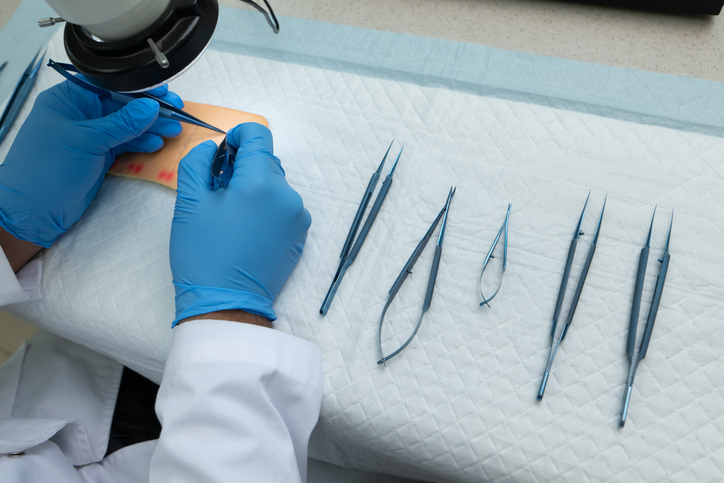
When assessing a potential partner, evaluate their capability to supply instruments across various sub-specialties. A robust portfolio should ideally cover cataract surgery instruments, retinal surgery instruments, and glaucoma procedure instruments. It is highly advantageous if the manufacturer produces a wide array of specific surgical devices, such as ophthalmic forceps, eye speculums, and surgical scissors, alongside specialised equipment for oculoplastic surgery.
Additionally, the ability to supply customisable procedure packs offers significant commercial value. Hospitals and clinics increasingly favour pre-packaged, sterile sets to improve theatre turnover times and reduce cross-contamination risks. A wider portfolio allows distributors to fulfill multiple surgical needs through a single, reliable partner, strengthening their position as a primary supplier to healthcare institutions.
Manufacturing Capability and Quality Control
Understanding a partner’s manufacturing capability provides crucial insight into their ability to deliver consistent quality at scale. For distributors seeking an ophthalmic instrument manufacturer UK partner or an international supplier, direct manufacturing control is a vital metric for success.
Evaluation criteria must include an assessment of in-house manufacturing capabilities versus outsourced production. Manufacturers who directly oversee their facilities apply stricter precision engineering standards, control the quality of raw materials like medical-grade titanium and stainless steel, and maintain consistent instrument quality across large production runs. This direct oversight is particularly important for businesses looking to source OEM ophthalmic instruments, where proprietary designs require exact specifications and rigorous confidentiality protocols.
Production scalability is another key factor. As a distributor grows their market share, the manufacturer must have the physical infrastructure and workforce to scale output accordingly without compromising the exacting standards required for ophthalmic surgery.
Regulatory Compliance and Certification
Navigating the global regulatory landscape is one of the most complex challenges in medical device distribution. Distributors must ensure that all imported products meet the strict regulatory requirements of their specific target markets before any commercial activity begins.
Key considerations during the evaluation phase include verifying valid CE marking and assessing the manufacturer’s compliance with the latest Medical Device Regulation (MDR). It is also essential that the manufacturer operates under an ISO-certified quality management system, specifically ISO 13485, which is the internationally recognised standard for medical device production.
Transparency is critical during this stage. Distributors should request access to regulatory documentation, comprehensive technical files, and clear Instructions for Use (IFU). Partnering with a manufacturer that maintains a dedicated Quality & Credentials framework significantly reduces regulatory risk, allowing distributors to focus on sales and market expansion rather than administrative compliance bottlenecks.
Supply Reliability and Production Capacity
Supply continuity ranks among the most critical factors in ophthalmic instrument distribution. Healthcare providers rely on predictable inventory levels, and surgical procedures cannot be delayed due to equipment shortages from regional suppliers.
Distributors should rigorously assess a manufacturer’s production capacity and their historical ability to consistently meet agreed lead times. Investigate their inventory management strategies and typical stock availability for high-demand items. A manufacturer with robust logistics support and flexible production scalability can quickly adapt to sudden surges in market demand or global supply chain disruptions. Reliable supply networks ensure that distributors can consistently meet hospital demand without interruption, thereby safeguarding lucrative procurement contracts and maintaining trust with local healthcare providers.
Distributor Support and Commercial Partnership
The most successful ophthalmic instrument suppliers operate as genuine commercial partners rather than mere transactional vendors. Strong manufacturers support their distribution networks extensively, looking far beyond the initial product supply.
When evaluating a potential partner, consider their communication standards. Responsive communication is essential for resolving logistical queries, processing custom orders, or navigating sudden regulatory updates efficiently. Assess the level of marketing support provided by the manufacturer. High-quality product photography, detailed technical documentation, and professionally designed marketing collateral can significantly accelerate a distributor’s time-to-market.
Furthermore, look for manufacturers that provide comprehensive training or product knowledge resources to help your sales team confidently discuss technical specifications with ophthalmic surgeons. Commercial flexibility, such as accommodating trial orders or structured payment terms during the initial growth phase, also indicates a manufacturer committed to fostering a long-term, mutually beneficial relationship.
Reputation and Industry Experience
Distributors naturally favour manufacturers with proven industry credibility and a long-standing track record of excellence. Operating as a surgical instrument manufacturer UK or globally requires years of refinement to successfully meet the precise clinical demands of the ophthalmic sector.
Indicators of an established, reliable manufacturer include their total years of experience in producing ophthalmic instruments. For instance, manufacturers with over three decades of operational history possess deep institutional knowledge and highly refined engineering processes. Look at their existing relationships with hospitals, national healthcare providers, and their general reputation among practicing surgeons.
An established international distribution network also demonstrates that the manufacturer already understands the complexities of global exporting, customs clearance, and cross-border regulatory compliance. Manufacturers with a longstanding industry presence invariably provide distributors with greater commercial confidence and a smoother onboarding experience.
Building successful ophthalmic distribution partnerships
Securing a reliable manufacturing partner is a foundational step for any ambitious medical device distributor. The evaluation process requires a holistic approach, carefully assessing manufacturing standards, strict regulatory compliance, and the depth of the product portfolio.
Equally important is verifying supply reliability and the level of ongoing commercial support the manufacturer is willing to provide. Distributors working with established manufacturers like Surgitrac will see the difference in product consistency, regulatory support, and long-term partnership reliability. By selecting a partner with a proven track record and robust operational infrastructure, distributors can mitigate risk, confidently serve the clinical community, and drive sustainable business growth.
To discuss our manufacturing capabilities, request pricing, or explore an ophthalmic instrument manufacturer partnership, please contact our sales team today.


