When a sterile single-use ophthalmic instrument arrives in theatre, whether for cataract surgery, vitreoretinal procedures or other ophthalmic interventions, it carries a quiet promise. The pack is sealed, the label is clear, and the clinical team can proceed with confidence that the device has undergone a validated sterilisation process.
For surgeons, ophthalmic nurses, theatre managers, procurement professionals and distributors, understanding how sterility is achieved matters. Sterilisation influences patient safety, shelf life, material compatibility, regulatory compliance and product performance.
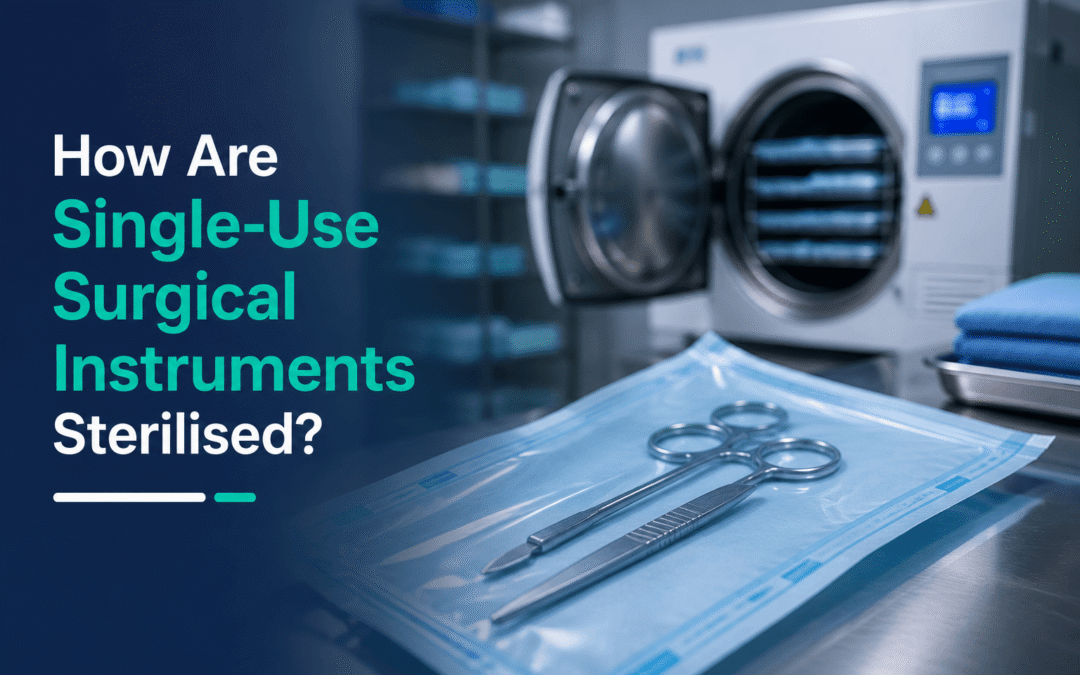
The two most common methods used to terminally sterilise single-use ophthalmic instruments are ethylene oxide (EO) sterilisation and gamma irradiation. Both are highly effective when validated correctly, but each offers different advantages depending on the device design and materials used.
Why Sterilisation Matters for Ophthalmic Instruments
Ophthalmic surgery relies on precision. Instruments such as forceps, cannulas, knives and other microsurgical devices must maintain their exact dimensions and performance characteristics from manufacture through to use in theatre.
The accepted Sterility Assurance Level (SAL) for terminally sterilised medical devices is 10⁻⁶. This means the probability of a viable micro-organism surviving on a sterilised device is no greater than one in a million.
Achieving this standard requires far more than simply exposing products to a sterilisation process. Manufacturers must validate the process, monitor it routinely and maintain comprehensive documentation demonstrating compliance.
Why Sterilisation Is Especially Important in Ophthalmology
The eye is an exceptionally delicate surgical environment. Even minor contamination can have significant consequences. As a result, sterile ophthalmic instruments must be manufactured, packaged and sterilised under tightly controlled conditions.
Material compatibility is also critical. Many ophthalmic surgical instruments combine stainless steel components with specialist polymers, packaging films and bonded materials. The chosen sterilisation method must eliminate harmful microorganisms without compromising product performance.
Ethylene Oxide (EO) Sterilisation Explained
Ethylene oxide is a colourless gas that sterilises products by disrupting microbial DNA and cellular metabolism.
Because EO sterilisation operates at relatively low temperatures, it is particularly suitable for heat-sensitive materials and complex device designs. EO sterilisation is widely used for delicate ophthalmic surgical instruments where material compatibility and dimensional stability are critical.
Key advantages include:
• Excellent penetration into complex geometries and narrow lumens. • Compatibility with many heat-sensitive materials. • Effective sterilisation of mixed-material devices.
Key considerations include:
• Longer processing times due to aeration requirements. • Strict control of residual EO levels. • Specialist facility requirements.
EO sterilisation processes are validated under ISO 11135, while residual limits are controlled in accordance with ISO 10993-7.
Gamma Sterilisation Explained
Gamma sterilisation uses high-energy ionising radiation, typically generated from a Cobalt-60 source, to prevent microorganisms from reproducing.
Gamma sterilisation is frequently used for high-volume ophthalmic procedure packs and selected ophthalmic surgical supplies. Because radiation can penetrate sealed packaging and palletised loads, products can often be sterilised in their final shipping configuration.
Advantages include:
• High throughput for large-scale manufacturing. • Deep penetration through packaged products. • No chemical residues and no aeration stage.
Considerations include:
• Some polymers may become brittle or discoloured over time. • Radiation doses must be carefully validated. • Access to specialist irradiation facilities is required.
Gamma sterilisation processes are validated under ISO 11137.
EO vs Gamma Sterilisation: Which Is Better?
There is no universal answer. The correct choice depends on the materials, design and intended use of the product.
EO sterilisation is often preferred for intricate ophthalmic surgical instruments and products containing sensitive materials. Gamma sterilisation is frequently selected for robust products, ophthalmic procedure packs and higher-volume manufacturing programmes.
The most important factor is not which method is used, but whether the process has been properly validated and shown to achieve SAL 10⁻⁶ consistently.
How Sterility Validation Works
Sterility validation provides evidence that a sterilisation process consistently achieves the required level of microbial reduction.
Manufacturers routinely monitor sterilisation cycles using biological indicators, chemical indicators and process controls. Packaging systems are validated under ISO 11607 to ensure the sterile barrier remains effective throughout the stated shelf life.
Manufacturers operating under ISO 13485 maintain documented quality management systems supporting traceability, risk management and continuous improvement.
Questions Procurement Teams Should Ask
When evaluating suppliers of single-use ophthalmic instruments, consider asking:
• Which sterilisation method is used and why? • What SAL has been validated? • How is sterility maintained throughout shelf life? • Is the manufacturer ISO 13485 certified? • Are products CE marked and/or UKCA marked? • What batch traceability information is available?
These questions help ensure products meet clinical, regulatory and procurement requirements.
How Surgitrac Supports Ophthalmic Surgical Teams
At Surgitrac, sterility is considered from the earliest stages of product development through to final packaging and distribution.
We support customers through:
• Validated sterilisation processes. • ISO 13485-certified quality systems. • Full batch traceability. • A complete range of single-use ophthalmic instruments, sterile ophthalmic surgical instruments and ophthalmic procedure packs.
Our focus is on delivering products that support safety, efficiency and confidence in theatre. If you would like to understand exactly how your Surgitrac products are sterilised, validated and traced throughout the supply chain, our team will be happy to help. Contact us to discuss your requirements.
Conclusion
Whether a product is sterilised using EO or gamma irradiation, the outcome must be the same: a safe, sterile device supported by validated processes, comprehensive documentation and robust quality systems.
Understanding how single-use ophthalmic instruments are sterilised helps surgeons, procurement teams, theatre staff and distributors make informed decisions while maintaining confidence in patient safety and regulatory compliance.
Frequently Asked Questions
What does SAL 10⁻⁶ mean? It means the probability of a viable micro-organism surviving on a sterilised device is no greater than one in a million.
Is ethylene oxide (EO) sterilisation safe if EO is a toxic gas? Yes. When properly controlled and validated, EO sterilisation is safe and widely used for medical devices.
Does gamma sterilisation make ophthalmic instruments radioactive? No. Gamma irradiation damages microorganisms but does not make products radioactive.
Which sterilisation method is better: EO or gamma? Neither method is universally better. EO sterilisation is often used for delicate or heat-sensitive instruments, while gamma sterilisation is commonly used for robust, high-volume products. The right choice depends on the materials and design of the device.
How long do single-use sterile instruments remain sterile? They remain sterile for the validated shelf life stated on the packaging, provided the sterile barrier remains intact.
How can I verify that a single-use ophthalmic instrument has been properly sterilised? Look for a manufacturer with ISO 13485 certification and CE-marked and/or UKCA-marked products. You should also be able to confirm the sterilisation method, validated SAL and batch traceability.
Why are single-use ophthalmic instruments supplied sterile? Single-use ophthalmic instruments are supplied sterile and ready for use to support patient safety, reduce reprocessing requirements and ensure consistent performance in theatre.
Lacrimal procedures sit at the intersection of precision and patience. When working within the nasolacrimal drainage system, every millimetre matters, and the instruments in hand must perform consistently and predictably. Punctum dilation is often the first step in lacrimal intervention, yet it is one that deserves more attention than it typically receives.
This guide provides ophthalmic surgeons with a practical overview of punctum dilation, including its clinical indications, procedural technique, potential complications, and the importance of reliable lacrimal instruments in achieving consistent outcomes.
What Is the Punctum and Why Does It Matter?
The punctum is the small opening located at the medial margin of each eyelid, one upper and one lower, through which tears drain into the vertical canaliculus before passing into the horizontal canalicular system and eventually the nasolacrimal duct.
When the punctum becomes stenotic or obstructed, patients commonly develop epiphora, persistent tear overflow that can interfere with visual function, ocular comfort, and quality of life.
Punctal stenosis is a relatively common clinical finding and may result from:
• chronic blepharitis or inflammation,
• long-term use of topical medications,
• involutional ageing changes,
• cicatricial disease,
• or previous ocular surgery.
Management frequently begins with punctum dilation, either as a stand-alone intervention or as part of a broader lacrimal assessment.
What Is Punctum Dilation in Ophthalmology?
Punctum dilation is a lacrimal procedure used to widen the punctal opening and improve access to the lacrimal drainage system. It is commonly performed:
• to relieve punctal stenosis,
• prior to lacrimal irrigation,
• before lacrimal probing,
• during intubation procedures,
• or before punctal plug insertion.
The technique involves gently introducing a tapered punctum dilator into the punctal opening to progressively stretch the tissue while preserving the integrity of the canaliculus.
When performed correctly, punctum dilation is typically safe, efficient, and well-tolerated. However, poor technique or inadequate instrumentation can increase the risk of:
• canalicular trauma,
• false passage formation,
• tissue tearing,
• and patient discomfort.
The Role of the Punctum Dilator
A punctum dilator must balance delicacy with control. The tip must be fine enough to enter a stenotic punctum atraumatically, while the taper must allow progressive dilation without excessive resistance. At the same time, the shaft must provide sufficient rigidity and tactile feedback for accurate canalicular navigation.
The Surgitrac PD03 Punctum Dilator is a double-ended, single-use instrument designed specifically for lacrimal access procedures. With tip diameters of 0.30 mm and 0.40 mm and a handle length of 85 mm, it provides two dilation options within a single sterile instrument. The overall 11.5 cm length allows comfortable handling and precise control during delicate lacrimal work.
Single-use design is particularly valuable in lacrimal surgery. Reusable dilators may gradually lose tip precision through repeated sterilisation cycles and handling. Single-use instruments eliminate variability in tip geometry, guarantee sterility, and reduce the risk of cross-contamination between patients.
In procedures where precision at the millimetre level matters, consistency in instrumentation is essential.
Technique: What Good Punctum Dilation Looks Like
Before beginning the procedure, carefully assess the punctum and surrounding anatomy. Determine whether the punctum is visible and accessible and evaluate for signs of periocular inflammation, lid malposition, or cicatricial change that may influence the approach.
With the patient comfortably positioned under topical anaesthesia, stabilise the eyelid and gently introduce the finer end of the dilator vertically into the punctum for approximately one to two millimetres. The instrument should then be rotated horizontally to follow the natural course of the canaliculus.
Apply steady, controlled pressure rather than force. The tissue should dilate progressively as the instrument advances.
If significant resistance is encountered, reassess the anatomy before proceeding further. Resistance may indicate:
• severe punctal stenosis,
• canalicular obstruction,
• fibrosis,
• or an anatomical abnormality requiring a different surgical approach.
Attempting to force the dilator through resistant tissue increases the risk of false passage formation and canalicular injury.
Once satisfactory dilation has been achieved, the punctum is prepared for:
• lacrimal irrigation,
• probing,
• intubation,
• or punctal plug placement, depending on the clinical objective.
In experienced hands, the procedure typically takes only a few minutes and can be performed comfortably in an outpatient setting.
Clinical Indications for Punctum Dilation
Punctum dilation is indicated across a range of lacrimal presentations and procedural workflows.
Common indications include:
• primary punctal stenosis,
• epiphora secondary to impaired tear drainage,
• preparation for lacrimal irrigation,
• canalicular probing,
• silicone intubation procedures,
• and punctal plug insertion.
The procedure also has diagnostic value during lacrimal assessment.
For example, if irrigation flows freely after dilation, the obstruction may have been limited to the punctum itself. Persistent resistance following dilation may suggest a more distal canalicular or nasolacrimal duct obstruction, guiding further management decisions.
Potential Complications of Punctum Dilation
Although punctum dilation is generally considered a low-risk procedure, complications can occur if excessive force is applied or anatomical resistance is misinterpreted.
Potential complications include:
• canalicular trauma,
• false passage formation,
• punctal tearing,
• bleeding,
• postoperative discomfort,
• and localised inflammation.
Most complications are avoidable with careful technique, appropriate patient assessment, and the use of well-designed lacrimal instruments with consistent tip geometry.
Choosing Reliable Lacrimal Instruments
In lacrimal surgery, the margin for error is narrow. The anatomy is delicate, the working space is small, and patient expectations are high. Instrument quality directly influences procedural control, efficiency, and patient comfort.
At Surgitrac, we have spent more than 30 years manufacturing ophthalmic surgical instruments designed to meet the demands of modern clinical practice. Our instruments are produced under rigorous quality control standards, and our CE certification reflects our commitment to consistency, reliability, and international compliance.
The PD03 Punctum Dilator forms part of a broader lacrimal instrument range that includes:
• the PD01 Sharp Punctum Dilator,
• the PD07 Combined Punctum Dilator and Lacrimal Probe,
• and the PD08 Lacrimal Probe.
Each instrument is designed to support precise lacrimal access while maintaining the handling characteristics surgeons expect during delicate ophthalmic procedures.
Choosing the Right Lacrimal Instruments for Clinical Practice
Whether managing occasional epiphora cases or building a dedicated lacrimal subspecialty service, having the correct instrumentation available is essential.
Single-use lacrimal instruments can:
• reduce sterilisation variables,
• improve consistency between cases,
• streamline procedural setup,
• and minimise theatre or clinic preparation time.
Procedure packs may also help standardise clinical workflow and reduce unnecessary waste in both outpatient and surgical settings.
For surgeons reviewing lacrimal instrument supply or seeking to consolidate procurement through a trusted UK manufacturer, Surgitrac provides support across individual instruments, procedure packs, and distributor partnerships.
Frequently Asked Questions
What is the difference between the 0.30 mm and 0.40 mm ends of the PD03?
The 0.30 mm end is the finer tip, intended for initial entry into a tightly stenotic punctum. The 0.40 mm end provides wider dilation once initial access has been achieved. Having both options in a single instrument allows progressive dilation without changing instruments during the procedure.
Is punctum dilation painful for the patient?
When performed correctly using an appropriately sized and well-designed instrument, punctum dilation should cause only minimal discomfort. Topical anaesthesia is usually sufficient. Gentle, progressive dilation is key to patient comfort.
Why choose single-use punctum dilators over reusable ones?
Single-use instruments guarantee sterility, eliminate variability caused by repeated sterilisation cycles, and maintain consistent tip geometry between cases. In lacrimal surgery, where instrument precision directly affects procedural control, this consistency is valuable.
Can punctum dilation be performed in an outpatient or clinic setting?
Yes. Punctum dilation is commonly performed in an outpatient or clinic setting under topical anaesthesia and does not usually require a full operating theatre environment.
What instruments are commonly used alongside a punctum dilator?
Common companion instruments include:
• lacrimal probes,
• irrigation cannulas,
• silicone intubation systems,
• and punctal plugs, depending on the diagnosis and treatment plan.
Are Surgitrac lacrimal instruments available in procedure packs?
Yes. Surgitrac offers a range of ophthalmic sets and procedure packs that can incorporate lacrimal instruments. Custom pack configurations can also be discussed based on clinical and theatre requirements.
Conclusion
Punctum dilation remains one of the foundational techniques in lacrimal management. Although the procedure itself is relatively straightforward, successful outcomes depend heavily on careful technique, anatomical awareness, and reliable instrumentation.
Using well-designed punctum dilators with consistent tip geometry allows surgeons to work more confidently within delicate lacrimal anatomy while improving procedural efficiency and patient comfort.
To learn more about the PD03 Punctum Dilator and Surgitrac’s wider lacrimal instrument range, visit the product page or contact the Surgitrac team directly for product support, procurement enquiries, or distributor information.
In today’s surgical environment, precision is not optional. Every instrument placed in a clinician’s hand must perform flawlessly, every time. Yet behind the scenes, the journey of that instrument often spans continents, multiple suppliers, and complex regulatory frameworks. Global manufacturing has transformed the medical device industry, but it has also introduced real challenges that directly affect surgical instrument quality.
At Surgitrac, we see first-hand how sourcing, production standards, compliance, and logistics shape the instruments used in operating theatres across the world. Understanding this global picture is essential for procurement teams, practice managers, and clinicians who expect uncompromising performance.
If you want to see how we approach quality from end to end, visit our homepage.
The Shift to Global Supply Chains
Over the past two decades, surgical instrument manufacturing has expanded well beyond traditional European production hubs. Manufacturers now operate across Asia, Europe, and North America, often splitting processes between facilities to manage costs and scale.
On paper, this makes sense. Global production can increase capacity and reduce pricing pressure. In practice, it introduces complexity. Raw materials may come from one country, forging from another, finishing and inspection from a third. Every additional step increases the risk of variability.
When quality systems are inconsistent, even minor deviations in heat treatment, metallurgy, or finishing can lead to performance issues. A slightly softer alloy may affect longevity. Inconsistent passivation may compromise corrosion resistance. Poor surface finishing can reduce cleanability and sterilisation efficiency.
The reality is simple. Global manufacturing can deliver exceptional quality, but only when standards are tightly controlled across every location.
Material Standards and Traceability
Surgical instruments demand high grade stainless steel and precise engineering. Not all stainless steel is equal. Variations in composition directly impact strength, corrosion resistance, and durability.
In a fragmented global supply chain, traceability becomes critical. Can the manufacturer confirm the origin of the steel? Is there full documentation from melt to finished instrument? Are material certificates independently verified?
Without rigorous traceability, buyers are exposed to unnecessary risk. Instruments may look identical at first glance, yet perform very differently under repeated sterilisation cycles.
A trusted supplier ensures that material specifications are consistent, documented, and verified. That transparency protects both clinicians and patients.
Regulatory Compliance Across Borders
Different regions operate under different regulatory frameworks. A manufacturing facility that complies with one set of standards may not automatically meet the expectations of another.
CE marking, UKCA marking, ISO certification, and MDR compliance are not administrative formalities. They represent structured quality systems designed to safeguard clinical performance.
When manufacturing spans multiple jurisdictions, maintaining consistent compliance requires active oversight. Documentation must be aligned. Testing protocols must be standardised. Quality audits must be ongoing, not reactive.
If a supplier cannot clearly explain how they manage cross-border regulatory compliance, this may indicate a potential risk. Compliance should be built into the process, not retrofitted at the end.
The Human Factor in Craftsmanship
Automation has improved efficiency, but surgical instrument production still relies heavily on skilled manual finishing. The final shaping, polishing, and alignment often determine whether an instrument performs with precision or frustration.
In some global production environments, rapid scaling has outpaced skills development. High staff turnover or insufficient training can affect consistency.
True quality is built on engineering discipline and craftsmanship. It requires technicians who understand tolerances, alignment, and balance, and inspection teams who reject anything less than perfect.
A global footprint is not a problem in itself. The issue arises when production volume takes priority over workmanship.
Logistics, Storage, and Handling
Manufacturing quality does not end when an instrument leaves the factory. Global shipping introduces environmental variables such as humidity, temperature fluctuation, and transit time.
Improper packaging or prolonged storage in suboptimal conditions can impact surface integrity and corrosion resistance. Even minor handling damage during transport can compromise performance.
Reliable suppliers build logistics into their quality model. Protective packaging, climate aware storage, and controlled distribution processes are not extras. They are essential safeguards.
The Procurement Perspective
For procurement teams, global manufacturing often appears as a cost conversation. However, focusing purely on price is short sighted.
An instrument that fails prematurely costs more in replacement, downtime, and reputational risk. In clinical settings, reliability directly affects patient outcomes.
The smarter approach is value based procurement. Evaluate supplier transparency. Demand documentation. Ask about material sourcing. Review quality assurance procedures. Consider long term performance, not just initial pricing.
A dependable partner will welcome scrutiny. They will provide evidence rather than marketing claims.
Raising the Standard
Global manufacturing is here to stay. The question is not whether instruments are produced internationally. The question is whether those processes are controlled with discipline and accountability.
At Surgitrac, quality is not treated as a slogan. It is built into sourcing decisions, supplier selection, inspection protocols, and customer support. Our responsibility extends beyond delivering products. We ensure confidence in every instrument supplied.
When surgical teams rely on precision, there is no margin for compromise.
Frequently Asked Questions
Does global manufacturing automatically reduce surgical instrument quality?
No. Global manufacturing can produce exceptional instruments when strict quality controls, traceability, and regulatory compliance are enforced. The risk arises when oversight is weak or inconsistent across facilities.
Why is material traceability so important?
Traceability confirms the origin and specification of the steel used. This ensures consistent strength, corrosion resistance, and durability. Without traceability, performance can vary significantly between batches.
How can buyers assess supplier reliability?
Ask for material certificates, ISO accreditation details, and evidence of regulatory compliance. Request information about inspection procedures and quality audits. A reputable supplier will provide clear documentation without hesitation.
Are lower cost instruments always lower quality?
Not necessarily. However, unusually low pricing often indicates compromises in material, finishing, or inspection processes. Quality surgical instruments require investment in materials, skilled labour, and compliance systems.
What role does post manufacturing handling play in quality?
Shipping, storage, and packaging significantly affect surface condition and longevity. Proper handling protects against corrosion and mechanical damage before the instrument even reaches the clinical setting.
How does Surgitrac maintain consistent standards?
We carefully select manufacturing partners, verify material specifications, monitor compliance, and maintain strict inspection protocols. Our focus is long term performance, not short term cost savings.
Surgical instruments sit at the centre of patient care. Their reliability depends on decisions made long before they enter an operating theatre. Global manufacturing can strengthen the industry, but only when quality is treated as non negotiable. That is the standard we stand by every day.
Surgitrac would like to inform customers of a minor labelling update regarding certain medical devices manufactured by Medicel AG, whose products we supply in the UK.
To align with the latest international standard ISO 15223-1:2021 / Amd 1:2025, Medicel is updating the terminology used to identify the authorised representative on product labelling. The designation will change from “EC-REP” to “EU-REP.”
This update is administrative in nature only and does not impact the quality, safety, performance, or intended use of any Medicel products.
The change will be implemented on a rolling basis. During this transition period, products may be supplied with either designation, as existing packaging stock will continue to be used until exhausted.
All products remain fully compliant with applicable regulatory requirements.
If you have any questions regarding this update, please contact us.
Buyers in ophthalmology do not just purchase instruments. They shape the theatre’s performance for years to come. A well-designed instrument supports cleaner incisions, smoother handling, fewer complications and a more efficient surgical flow. A poorly engineered one undermines results, drains budgets and increases pressure on staff. Precision is therefore not an abstract technical feature. It is a commercial asset that directly supports patient safety, surgeon confidence and theatre efficiency. Visit Surgitrac
What Precision Really Means in Ophthalmic Instrumentation
Not All Instruments Are Built the Same
Procurement professionals often receive catalogues full of instruments that look almost identical, yet the real performance difference is in the detail. True precision is found in tolerances measured in microns, in the smoothness of a hinge, in the feel of a handle and in how consistently an instrument performs under repeated use. These attributes are invisible in a photograph. They are obvious in theatre.
Material Quality Determines Reliability
High grade stainless steel or titanium is essential for ophthalmic work. These materials resist corrosion, maintain sharpness and support the accuracy required for delicate structures. Lower-grade materials may pass visual inspection but fail under the demands of daily lists. Precision is driven by material integrity, not marketing claims. Explore our approach
How Design Impacts Clinical and Operational Performance
Smoother Handling Reduces Micro Delays
A surgeon needs an instrument to respond predictably. If forceps slip, if scissors drag, if a handle is poorly balanced, the surgeon loses momentum. These micro delays often go unnoticed in audits, yet they accumulate across a day’s operating schedule. Buyers investing in high precision instruments are effectively investing in protected theatre time.
Better Ergonomics Improve Safety
A well-designed instrument reduces strain and supports a stable hand. This directly affects incision quality, tissue handling and the speed of each manoeuvre. For high-volume cataract lists, this difference is significant. Precision is therefore not just about sharp edges. It is about supporting the surgeon’s biomechanics.
Precision Protects Budgets
Higher Quality Instruments Last Longer
Procurement teams often face pressure to cut upfront costs. The problem is that cheaper instrumentation needs replacing far more frequently. Hinges loosen. Alignment drifts. Edges dull prematurely. The real cost becomes clear when replacements, delays and reprocessing issues start to appear.
A precise, well-manufactured instrument continues to perform consistently, which reduces long-term expenditure. Hospitals with a five or ten year view always benefit from choosing precision-focused suppliers.
Fewer Complications Lower Overall Costs
Every complication carries financial consequences. An instrument that grips better, cuts more predictably or reduces unnecessary tissue trauma helps reduce those risks. Buyers who measure performance by price alone miss the broader cost impact. Precision is a safeguard for both patient outcomes and budgets.
Working With a Supplier That Understands Ophthalmic Workflow
Customisation Matters
A trusted supplier should understand the real environment instruments are used in. That means aligning design with the surgeon’s routine, theatre preferences and the specific demands of the procedure. A provider that simply sells from a catalogue is not offering value. A partner that understands workflow elevates performance. Learn more
Consistency Across the Full Product Range
Precision is not just about one premium line. It must run across every instrument in the set. Consistency ensures theatres can rely on predictable performance day after day, procedure after procedure.
The Commercial Case for Precision
Precision saves time. Precision reduces complications. Precision prolongs instrument life. Precision protects budgets. For procurement and theatre managers, this transforms the conversation. It shifts decision-making away from lowest price and towards long term value and operational dependability. Ophthalmic surgery rewards accuracy. Procurement strategies should reflect that.
FAQs
How can procurement teams evaluate instrument precision?
Look beyond visuals. Assess hinge movement, material grade, resistance, alignment, balance and feedback from surgeons. Trial sets are often the most reliable method.
Why does precision matter more in ophthalmology than other specialties?
Structures are smaller, tolerances are tighter and the margin for error is far narrower. Even slight imperfections affect outcomes.
Do high precision instruments increase upfront cost?
Often, yes. However, they significantly reduce lifetime costs due to longer durability, better performance and fewer replacements.
What is the biggest mistake buyers make?
Choosing instruments based on catalogue appearance or lowest price without understanding how the design affects real surgical workflow.
How long should a high quality instrument last?
With proper care, several years of daily use. Lower grade instruments may only last months before performance drops.
Operating theatres carry heavy pressure every day. Full lists, tight turnaround times and the need for consistent outcomes make efficiency more than a goal. It becomes a requirement. In ophthalmology, where precision drives everything, even minor delays can cause knock-on disruption. This is where procedure packs earn their place. They support a calmer, more predictable and more productive theatre.
What Procedure Packs Solve
Eliminating Preparation Delays
Before custom packs, nurses collected items from multiple storage areas, checked compatibility and prepared trays manually. It took time. It invited errors. A procedure pack removes this friction. Everything arrives sterile, complete and ready for immediate use.
Creating Consistency in Theatre Setup
Inconsistent layout or missing items waste more time than hospitals realise. A well-designed pack mirrors the surgeon’s routine. The order makes sense. The set aligns with real workflow. Scrub nurses work with confidence, and pace improves naturally. Explore our approach
Efficiency Gains That Compound Daily
A Stronger Infection Control Process
Procedure packs cut down on handling and reduce movement within the theatre. Fewer touchpoints mean a safer sterile field. In an era of heightened infection control scrutiny, this structural advantage matters.
Streamlining Inventory and Procurement
Individual stock ordering creates unnecessary complexity. Packs reduce waste, simplify ordering and allow accurate forecasting. One pack per surgery, predictable usage, fewer expired items and tighter budget control.
Supporting New Theatre Staff
Training becomes smoother when staff face the same layout every time. Packs remove guesswork and help new team members build confidence quickly.
Sustainability Improvements
Hospitals pushing for greener operations benefit directly. One pack replaces multiple individually wrapped items. Packaging volume decreases and logistics improve. Theatres save time while hospitals reduce environmental impact.
Collaboration with Surgical Teams
Off-the-shelf packs rarely match the actual rhythm of an ophthalmic list. At Surgitrac we work with teams to map each step, refine layouts and include only what adds value. This approach turns a pack into a performance tool rather than another piece of consumable stock. Learn more
Precision in Every Component
Each item in a pack supports accuracy, safety and speed. Nothing is random. Material quality, design and sterility standards all contribute to a sharper, more efficient theatre flow.
The Bigger Picture
Theatre efficiency is built on small, intelligent improvements. Procedure packs standardise preparation, strengthen safety, reduce delays and support consistent surgical performance. They help teams work at their best without unnecessary interruptions. For ophthalmic units running full schedules, the benefits are immediate and measurable.
FAQs
Why are procedure packs important for ophthalmic surgery?
Ophthalmic procedures rely on precision and speed. Packs remove setup delays, ensure all items are present and maintain a consistent layout for every procedure.
Do procedure packs reduce overall costs?
Yes. Hospitals see reduced wastage, lower stock duplication, improved forecasting and more efficient use of theatre time, all of which improve financial performance.
Are procedure packs customisable?
Fully. Packs can be tailored to surgeon preference, procedure type and theatre workflow to improve efficiency and predictability.
How do procedure packs support infection control?
They arrive sterile, sealed and ready for immediate use. Reduced handling means fewer risks to the sterile field and stronger infection prevention.
Will using packs require staff retraining?
Minimal training is required. Staff typically find packs easier because of the consistency and clarity they bring to theatre preparation.
What types of procedures benefit most from packs?
High-volume ophthalmic procedures such as cataract surgery, glaucoma procedures and minor oculoplastic interventions benefit significantly due to repetitive workflow patterns.
Surgitrac Instruments is proud to continue supporting the Andean Medical Mission (AMM), a dedicated charity working to eliminate avoidable blindness in the Beni region of Bolivia. The results this year have been truly inspiring.
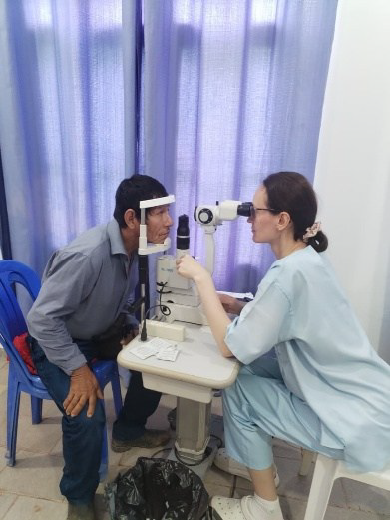
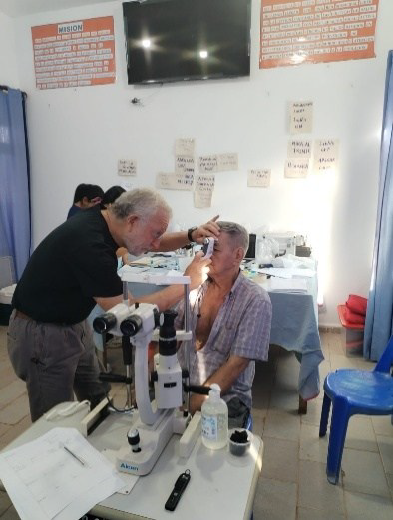
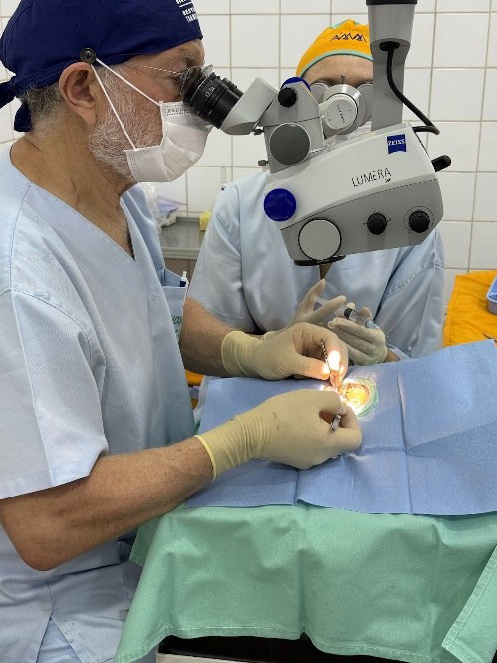
AMM has now carried out nearly 2,000 free eye surgeries, helping restore sight to some of the most underserved communities in South America. In the last 12 months alone, the team completed three major outreach trips to six remote villages, treating hundreds of patients and operating on over 300 individuals suffering from blindness or severe vision impairment.
Life-Changing Work in the Heart of Bolivia
In May 2025, the AMM team travelled to Santa Rosa de Yacuma, in the Beni region. The mission was led by the experienced Jeremy Joseph, now on his fourth trip with AMM, and supported by UK-based consultant ophthalmologists Kasia and Izabella. Bolivian clinic volunteers Melanie and Hasneyth also assisted the team.
They established a fully equipped surgical station with strong support from the local hospital and surrounding communities. The team successfully operated on 104 blind patients and listed many others for an upcoming glaucoma-focused mission later this year. Patients travelled from as far south as San Borja and as far north as Riberalta to receive treatment.
A Warm Return from Former Patients
During the trip, several patients who had undergone surgery in 2017 and 2019 returned for check-ups and to say thank you. The team found them in good health and enjoying an improved quality of life thanks to their restored vision. These visits were a rewarding reminder of the long-term impact of AMM’s work.
Transforming Lives, One Operation at a Time
This year, many patients were younger, and those with bilateral blindness experienced life-changing results. One young man, who had been preparing meals by touch alone, regained near-perfect vision after surgery on both eyes. He was delighted and grateful for the outcome.
Another remarkable case involved a nurse from San Borja, who had lost most of her sight due to advanced cataracts following corticosteroid treatment for an unrelated condition two years earlier. When asked why she had not sought help, she explained that she had not wanted to take up a surgical slot that could be used for someone else. She had always put the needs of others first.
AMM made sure she received the care she deserved. In May, the team operated on both of her eyes. Before surgery, her vision was limited to hand movement in one eye and counting fingers in the other. She now has near-perfect vision and is once again able to care for others in her role as a nurse.
A Shared Commitment to Eye Care
Surgitrac Instruments is pleased to have provided surgical instruments to support AMM in its mission to restore sight across South America. We remain committed to curing blindness and improving access to essential healthcare.
We look forward to continuing this impactful partnership in the years to come.
Get Involved or Learn More
If you would like to learn more about the Andean Medical Mission or explore ways to support their life-changing work, visit www.andeanmedicalmission.co.uk or follow them on social media.
At Surgitrac, we remain committed to improving access to eye care worldwide. Contact us to find out more about Surgitrac.
Ophthalmic instruments are precision tools designed for eye surgery and eye-related procedures. They are used by ophthalmologists to examine, manipulate and operate on the delicate structures of the eye. Naturally the quality of the instruments is essential in ensuring accurate and good surgical outcomes.
Purpose and Function
These instruments are designed for very fine work. They allow surgeons to hold, cut, retract and manipulate tissue with great control. Because the eye is such a small and sensitive area, every instrument must be reliable, balanced and easy to use under a microscope.
Ophthalmic instruments are made for a wide range of procedures. Some are used to hold the eyelids open during surgery, some are used to grasp or cut tissue and others are designed for implanting or adjusting lenses. The level of precision required is high which is why manufacturing standards and quality control are so important.
Types of Ophthalmic Instruments
There are many different types of ophthalmic instruments, each with a specific role.
Forceps – used to hold or manipulate tissue and lenses
Scissors – used for cutting delicate tissue during procedures
Speculums – used to hold the eyelids open
Hooks and Manipulators – used to move or position small structures within the eye
Curettes and Choppers – used for specialised surgical techniques
Each instrument is designed to perform its task with the least amount of trauma to the eye.
Materials and Design
Most ophthalmic instruments are made from stainless steel or titanium. Titanium instruments are lightweight, strong and resistant to corrosion. Many have a non reflective finish to reduce glare under the surgical light. Some feature tungsten carbide tips for improved grip and durability.
These are ideal for maintaining high levels of hygiene and reducing the need for cleaning and sterilisation. Reusable instruments are designed to withstand repeated sterilisation and are manufactured for long service life.
Importance of Quality
Precision surgery depends on reliable instruments. Poor quality tools can affect the outcome of surgery and increase risk for the patient. This is why ophthalmic instruments must meet strict quality standards and undergo careful inspection before use.
By using instruments that are well made and properly maintained, surgeons can work with confidence and achieve the best results for their patients.
Applications in Ophthalmology
Ophthalmic instruments are used in a wide range of procedures including cataract surgery, glaucoma treatment, corneal transplants and vitreoretinal surgery. Each procedure requires a carefully selected set of instruments to match the technique being used.
The correct choice of instrument allows the surgeon to perform precise movements, minimise tissue damage and reduce recovery time for the patient.
Ophthalmic instruments are a vital part of eye surgery and clinical eye care. They are designed for accuracy, reliability and comfort in use. Whether single use or reusable, each instrument plays a key role in achieving safe and successful outcomes.
Surgitrac supplies a complete range of ophthalmic instruments manufactured to high standards and suitable for hospitals, clinics and surgical centres. The focus is always on providing tools that meet the exacting needs of ophthalmic professionals worldwide.
In recent years, ophthalmic surgery has undergone a transformative shift. Advancements in microsurgical instruments, imaging, and minimally invasive techniques are elevating standards in eye care around the globe. As advancements in technology accelerate and patients demand higher standards of care, ophthalmic specialists must evolve their approach to uphold surgical accuracy and clinical excellence.
Technological Integration in the Modern Operating Theatre
Digital imaging and real-time diagnostics are redefining surgical planning and intraoperative navigation. High-definition 3D visualisation, for instance, enables surgeons to perform delicate procedures such as cataract extraction, glaucoma filtration, or retinal detachment repair with enhanced depth perception and accuracy.
When combined with state-of-the-art microsurgical instruments—engineered for control, durability, and tactile feedback—surgeons are now better equipped to handle even the most complex ocular procedures with confidence.
The Role of Single-Use Surgical Instruments
The global drive towards sterility, infection control, and time efficiency has led to increased adoption of single-use ophthalmic instruments. Surgeons and procurement teams alike are recognising the clinical and logistical benefits:
Guaranteed sterility with each use
Reduced risk of cross-contamination
Elimination of reprocessing costs and delays
Consistent performance and reliability
At Surgitrac Instruments, we understand that no two surgeries—or surgeons—are the same. Our ophthalmic portfolio includes a wide range of precision-crafted instruments, from specula and forceps to micro-scissors and needle holders, tailored for specific procedures and surgeon preference.
Training the Next Generation of Surgeons
Simulation platforms and virtual training tools are playing a crucial role in preparing the next generation of ophthalmic surgeons. Trainees can now gain hands-on experience and refine their technique in a risk-free environment, accelerating learning curves and building surgical confidence.
As access to ophthalmic care expands in both developed and emerging healthcare systems, there’s a renewed focus on scalable, consistent training—delivered globally, but tailored locally.
Sustainability and Supply Chain Resilience
The conversation around sustainability in healthcare is gaining traction. Hospitals and surgical centres are now expected to balance environmental impact with patient safety and clinical outcomes.
Surgitrac’s commitment to sustainable practices includes efficient packaging, smart logistics, and long-term supplier relationships—all designed to ensure uninterrupted supply without compromising on quality or ethics.
Surgical success relies not just on a surgeon’s expertise, but also on the quality of the instruments in use. When thoughtful design, ergonomic function, premium materials, and precision manufacturing come together, they empower greater control, better outcomes, and heightened confidence in the theatre.
At Surgitrac Instruments, we are proud to support ophthalmic surgeons with the tools they need to succeed—today and tomorrow.
Precision is everything in the world of microsurgery. Whether operating in ophthalmology, ENT, or general surgery, the accuracy of every movement can determine patient outcomes. One factor that’s often underestimated, yet fundamentally important, is instrument design.
At Surgitrac, we believe that precision starts with the instrument in the surgeon’s hand. From blade geometry to ergonomic handling, every design choice influences the level of control, accuracy, and consistency a surgeon can achieve.
The Subtle Science of Design
Modern surgical instruments are not just tools—they’re extensions of the surgeon’s fingers and eyes. A well-designed instrument must provide:
Stability and balance to prevent unintended movement
Minimal resistance during tissue manipulation
Maximum tactile feedback for delicate procedures
Every millimetre matters. That’s why even minor refinements in the handle shape, tip angulation, or surface texture can dramatically improve performance during surgery.
Ergonomics: Reducing Fatigue, Enhancing Control
Prolonged surgeries put significant strain on the surgeon’s hands, wrists, and shoulders. Instruments with a poor design can add to these issues for a surgeon.
Ergonomically optimised designs—lightweight, with intuitive grip and pressure distribution—can:
Reduce hand tremors
Improve precision during extended procedures
Minimise the risk of repetitive strain injuries
Surgitrac’s single-use forceps, scissors, and needle holders are engineered for control without compromise, giving surgeons the stability they need, even in the most demanding environments.
Tip Design: Where Precision Happens
Nowhere is design more critical than at the working tip. Whether it’s grasping a 50-micron corneal suture or dissecting fragile tissues in retinal surgery, tip geometry must deliver pinpoint accuracy without damaging surrounding structures.
Factors that affect tip performance include:
Tapering for visual access and minimal obstruction
Surface finish for consistent grip and minimal tissue trauma
Spring tension that allows responsive yet controlled movement
Surgitrac collaborates closely with surgeons to ensure that each instrument tip is purpose-built for the task at hand.
Material Matters
Instrument precision isn’t just about design—it’s also about material integrity. High-grade stainless steel and precision-machined alloys ensure:
Sharpness retention across procedures
Consistent tension and flexibility
Resistance to corrosion and wear
Our instruments are not only sharp and reliable—they’re also manufactured to the highest quality standards to support predictable performance, procedure after procedure.
Why Single-Use Instruments Deliver Consistency
Reusable instruments often degrade over time, even with careful handling and reprocessing. Subtle changes in spring tension or tip sharpness can lead to inconsistent results.
With single-use instruments, surgeons benefit from:
Consistent sharpness and feel with each procedure
No wear-related degradation
Sterility guaranteed straight out of the pack
Surgitrac’s single-use ranges are designed with repeatable precision in mind—ensuring every surgeon can perform at their best, every time.
Final Thoughts
Surgical success relies not just on a surgeon’s expertise, but also on the quality of the instruments in use. When thoughtful design, ergonomic function, premium materials, and precision manufacturing come together, they empower greater control, better outcomes, and heightened confidence in the theatre.
At Surgitrac, we don’t just manufacture instruments—we design precision.