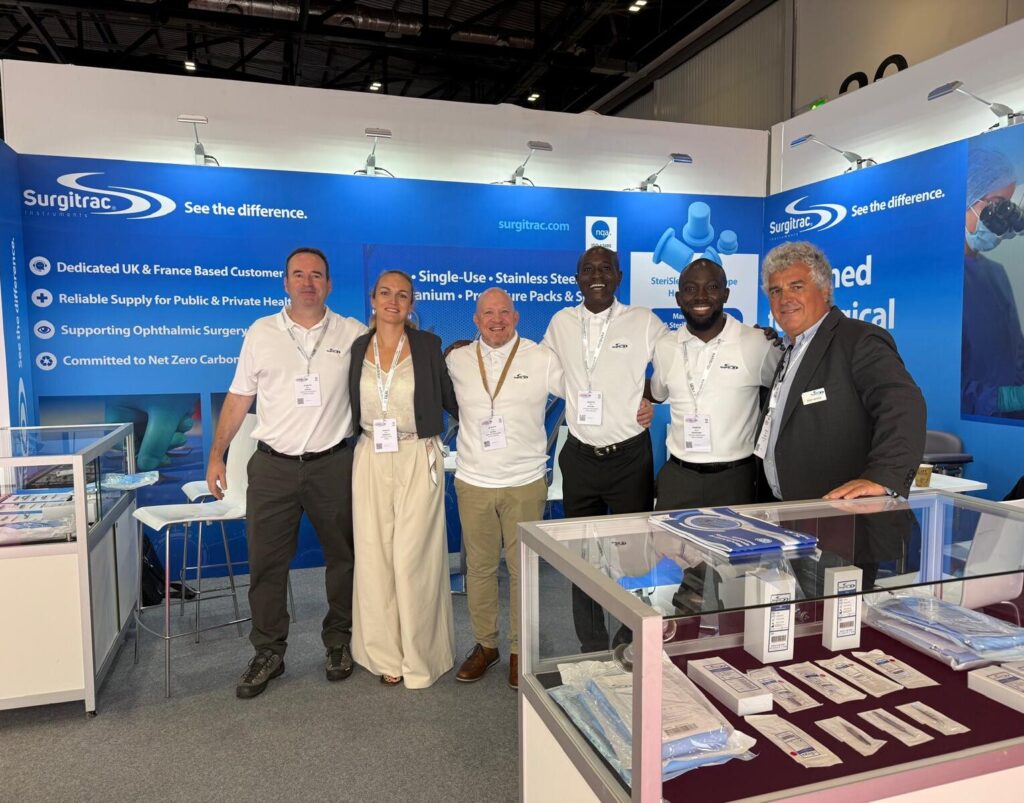
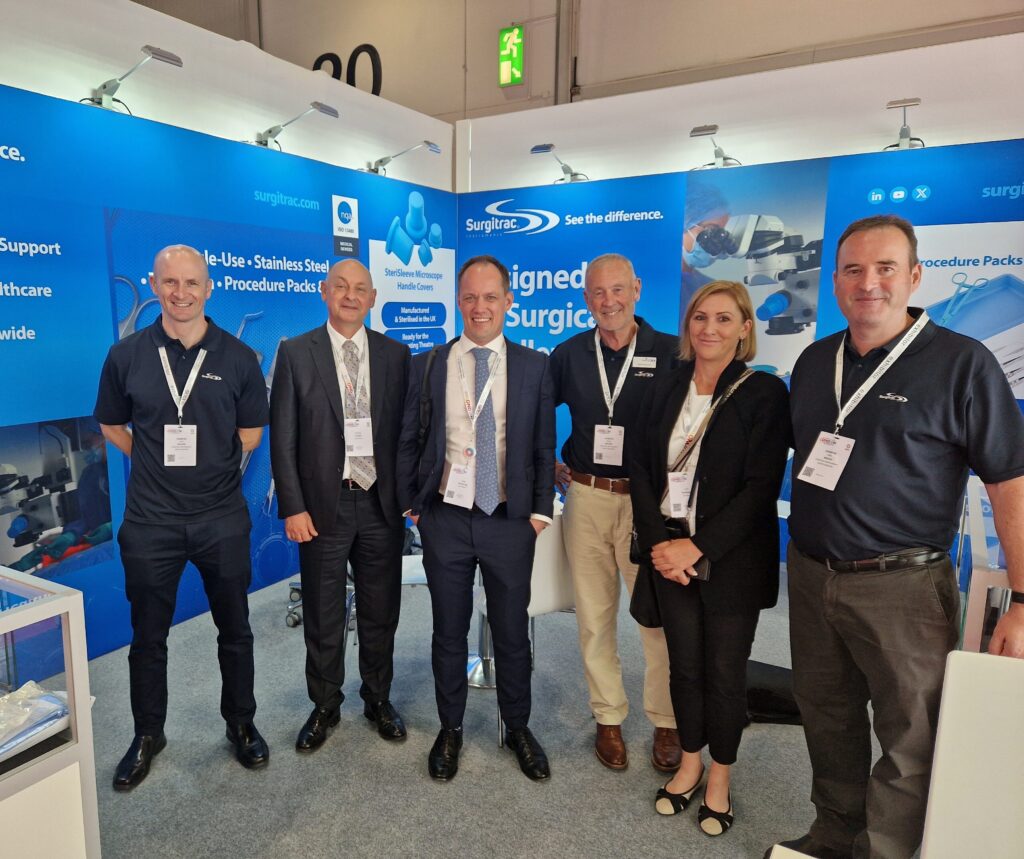
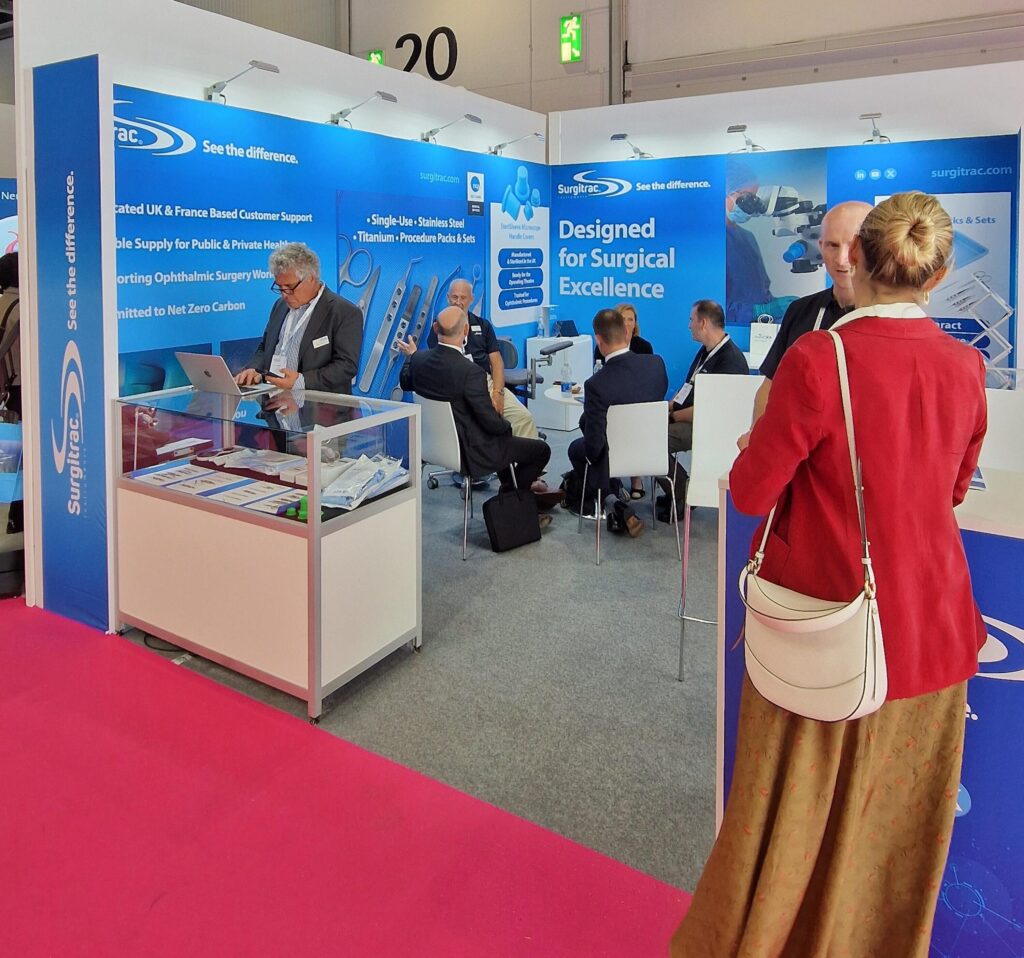
With more than 15,000 delegates from around the world, ESCRS 2026 provided an important meeting point for ophthalmic surgeons, nurses, technicians, researchers, manufacturers, distributors and other professionals involved in the delivery of ophthalmic care.
ESCRS 2026: Five days of ophthalmic education and innovation
While cataract and refractive surgery remain at the heart of ESCRS, the 2026 programme demonstrated the increasingly interconnected nature of modern ophthalmology. The Congress featured more than 100 instructional courses and 688 presentations, covering surgery across multiple ophthalmic specialties, optics, retina therapy, artificial intelligence, practice management and more. The wider programme included Main and Research Symposia, the Global Refractive Summit, Near Live Surgery, instructional courses, wet labs, video sessions, posters and oral presentations, alongside dedicated special interest sessions. Among the important topics discussed throughout ESCRS 2026 were:
Cataract and complex cataract surgery
Refractive surgery and presbyopia management
Corneal surgery and transplantation
Glaucoma and combined cataract/MIGS procedures
Artificial intelligence and robotics
Digital operating room technologies
IOL technology and personalised treatment
Surgical visualisation and microscopy
Clinical workflow and emerging ophthalmic technologies
The Near Live Surgery programme illustrated how these areas increasingly overlap, with procedures covering combined cataract and MIGS surgery, complex cataract cases, refractive surgery and advanced corneal procedures. Artificial intelligence was another important theme, while the Global Refractive Summit focused on evidence, advanced diagnostics, personalised treatment and technological innovation within refractive surgery.
The Congress also recognised the importance of the wider surgical team. The dedicated ESONT programme for ophthalmic nurses and technicians included education around cataract surgery, biometry, AI in ophthalmic practice, keratoconus, myopia and trauma.
For manufacturers and suppliers, these developments reinforce the importance of looking beyond individual products. Supporting modern ophthalmic surgery increasingly means considering the complete surgical environment, from instrumentation and procedure packs to fluidics, visualisation, patient positioning and specialist equipment.
Ophthalmic surgical instruments and procedure packs at ESCRS
As a UK-based manufacturer specialising in single-use, reusable stainless steel and reusable titanium ophthalmic surgical instruments, Surgitrac used ESCRS 2026 to present a focused selection from our wider portfolio.
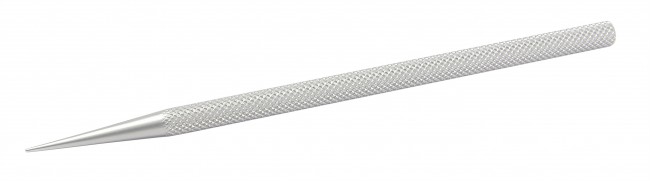
Cataract surgery was a particular focus. Visitors were able to handle and examine instruments from our cataract range, with particularly strong interest in our curved-tip MICS Capsulorhexis forceps, as well as our Cataract Packs containing either straight or curved Capsulorhexis forceps. Other instruments showcased included Kratz adjustable speculums, tying forceps, Vannas scissors and Kelman-McPherson forceps, among others.
Rather than attempting to display our entire portfolio, the Surgitrac booth was designed as a concept stand, giving visitors the opportunity to examine a representative selection of products, discuss their requirements with our team and identify opportunities for further evaluation and demonstrations.
Strong interest in ophthalmic procedure packs
Alongside instrumentation, we showcased a selection of our ophthalmic procedure packs, including cataract, intravitreal injection, Sub-Tenon and oculoplastic configurations.
Our Intravitreal procedure packs attracted particularly strong interest during the Congress. For ophthalmic departments delivering high volumes of intravitreal injections, procedure-specific packs can bring together the required components in a consistent format, helping support preparation, stock management and clinical workflow.
This made the range particularly relevant to intravitreal injection leads, ophthalmic nurses and technicians, theatre managers and procurement teams, as well as clinicians attending the Congress.
It was also encouraging to meet visitors who already use Surgitrac products within their clinics. Several shared positive feedback about their experience with our surgical instruments. Existing users also discussed their experience with Surgitrac procedure packs, highlighting how having the required components brought together in a procedure-specific pack can help support preparation and efficiency within their clinical workflows.
These conversations are particularly valuable. Alongside introducing our products to new customers, direct feedback from ophthalmologists and their surgical teams helps us better understand their requirements and how our products can continue to support clinical practice.
Microscope handle covers attract attention at ESCRS 2026
Designed for ophthalmic surgical microscopes, the range provides sterile, ready-to-use covers for microscope controls, with options compatible with ZEISS, MÖLLER-WEDEL and Leica ophthalmic microscopes. Designed for ophthalmic surgical microscopes, the range provides sterile, ready-to-use covers for microscope controls, with options compatible with ZEISS, MÖLLER-WEDEL and Leica ophthalmic microscopes. Our SteriSleeve Micro Caps attach directly to microscope handles and PD adjustment knobs.
The discussions highlighted how even relatively small components of the operating theatre can form part of wider considerations around theatre preparation, infection control, traceability and surgical workflow.
For theatre teams reviewing how equipment is prepared between procedures, microscope handle covers therefore became another relevant part of the conversations taking place on the Surgitrac stand.
Supporting the wider ophthalmic surgical pathway
Surgitrac is a manufacturer of ophthalmic surgical instruments and procedure packs, but our offering in the UK extends beyond the products we manufacture ourselves. Through partnerships with specialist international manufacturers including BRUMABA, Moria Surgical, Biotech Healthcare and Medicel, we provide public and private healthcare organisations with access to a broader range of ophthalmic products and equipment.
ESCRS provided an important opportunity to meet with our manufacturing partners, exchange market feedback and discuss how we can continue supporting customers across different areas of ophthalmic surgery.
Operating tables and seating for ophthalmic microsurgery
Through our partnership with BRUMABA, Surgitrac supplies specialist operating tables and surgeons’ seating manufactured in Germany. Patient positioning, ergonomics and access around the surgical microscope remain important considerations within the ophthalmic operating theatre.
Corneal and refractive surgery
For corneal and refractive surgery, our partnership with Moria Surgical provides access to specialist products and equipment, including corneal instruments, trephines, punches, artificial chambers, microkeratome systems, consoles and associated accessories.
With corneal and refractive surgery featuring prominently within the ESCRS programme, the Congress provided a valuable opportunity to discuss developments in these areas and the specialist instrumentation and equipment used to support them.
Viscoelastics and cataract surgery
Surgitrac also supplies Biotech Healthcare ophthalmic viscosurgical devices (OVDs) to UK customers, supporting requirements across cataract and other anterior segment procedures.
Our cataract offering is further complemented by Medicel irrigation/aspiration handpieces, developed and manufactured in Switzerland and available in configurations supporting coaxial and bimanual techniques.
Together with Surgitrac’s own instruments and procedure packs, these partnerships enable us to support customers across a broader part of the ophthalmic surgical pathway.
An international meeting point for Surgitrac
The international reach of ESCRS was clearly reflected on the Surgitrac stand. During the Congress, we welcomed prospective customers from more than 20 countries across Europe, North America, South America, Asia and Africa. When customers, distributors, prospective distributors and industry partners are considered together, visitors from more than 30 countries engaged with Surgitrac during ESCRS 2026.
For a UK-based ophthalmic manufacturer supplying products internationally, these conversations are an important part of the value of exhibiting at ESCRS.
Alongside meeting members of our existing international distributor network, we held discussions with prospective partners interested in Surgitrac products and potential opportunities within their markets. Developing these relationships helps make Surgitrac’s single-use, reusable stainless steel and reusable titanium ophthalmic instruments and procedure packs available to more ophthalmologists and their surgical teams internationally.
We would like to thank all of our distributors who travelled to London to visit us and discuss opportunities for continued collaboration.
Bringing ophthalmic customers and partners together in London
The conversations continued beyond ExCeL. On the opening evening of the Congress, Surgitrac welcomed customers, distributors and manufacturing partners to a drinks and canapés reception in Covent Garden.
The evening provided an opportunity to continue conversations away from the exhibition floor and, importantly, to thank the organisations and individuals with whom we work throughout the year. Successful relationships between manufacturers, distributors, healthcare organisations and clinical teams help specialist products and technologies reach the ophthalmologists and surgical teams who use them. Ultimately, these partnerships contribute towards a shared objective: supporting high-quality ophthalmic care and better patient outcomes.
Thank you to everyone who joined us.
Why the ESCRS Congress matters to Surgitrac Instruments
For Surgitrac, the value of ESCRS extends well beyond exhibiting products. The Congress allows us to listen directly to ophthalmologists and their surgical teams, gather feedback from existing users, understand emerging clinical and operational requirements and introduce our products to new customers and markets.
It also provides an opportunity to understand where ophthalmic surgery is heading. Discussions around AI, digital operating rooms, surgical visualisation, advanced refractive solutions, interventional glaucoma, corneal innovation and increasingly personalised ophthalmic surgery demonstrate how rapidly the speciality continues to evolve. Understanding these developments helps us consider not only what our customers require today, but how their clinical and operational requirements may change in the future.
At the same time, many of the fundamentals remain constant: precision instruments, reliable equipment, efficient clinical workflows, dependable supply and products designed around the requirements of ophthalmologists and their surgical teams. The ESCRS congress gives us an opportunity to consider both.
Looking beyond ESCRS 2026
As the 44th Congress of the ESCRS came to a close, we left London with new conversations to continue, product samples to arrange, potential partnerships to explore and valuable feedback from the ophthalmic community.
Most importantly, we would like to thank everyone who visited the Surgitrac Instruments stand at ESCRS 2026, our customers and distributors who travelled from around the world to meet us, our manufacturing partners, and everyone who joined us in Covent Garden.
Surgitrac Instruments remains committed to supporting ophthalmologists and their surgical teams through our own single-use, reusable stainless steel and titanium ophthalmic surgical instruments and procedure packs, alongside the specialist technologies available through our manufacturing partners.
We look forward to continuing the conversations started at ESCRS 2026.
Looking ahead to ESCRS 2027 in Madrid
Following the 44th Congress in London, the European Society of Cataract and Refractive Surgeons will return for the 45th Congress of the ESCRS in Madrid, Spain, from 15-19 October 2027.
The Congress will take place at IFEMA Madrid, once again bringing the international ophthalmic community together for education, scientific exchange and discussion around the latest developments in cataract and refractive surgery and the wider ophthalmic sector.
Following the conversations and connections made in London, Surgitrac looks forward to continuing to engage with ophthalmologists, surgical teams, distributors and industry partners as the ophthalmic community looks ahead to ESCRS 2027 Madrid.
Continue the conversation with Surgitrac Instruments
Whether you are an ophthalmic surgeon, theatre manager, ophthalmic nurse or technician, procurement professional, intravitreal injection lead, healthcare organisation or international distributor, our team would be pleased to discuss your requirements.
You can also meet our Sales & Marketing team and stay connected with Surgitrac following ESCRS 2026. Alternatively, you can contact our Customer Services team on +44 (0) 161 776 7626 or email info@surgitrac.co.uk for further information or support.
March 8th to 14th marks World Glaucoma Week, a global initiative dedicated to raising awareness of glaucoma, a leading cause of irreversible blindness. Often called the “silent thief of sight”, glaucoma can develop without noticeable symptoms, making early detection essential. Learn more about the campaign at World Glaucoma Week.
At Surgitrac Instruments, we understand the importance of advanced eye care in preserving vision. This week, we encourage everyone to prioritise their eye health: book regular comprehensive eye examinations, understand your risk factors, and explore treatment options that can help prevent vision loss. For further guidance and resources, visit the Glaucoma Research Foundation.
UK Glaucoma Awareness Week
In the UK, Glaucoma Awareness Week will take place from 6th to 12th July. This provides an important opportunity for people across the country to learn more about this silent condition. During this period, local clinics and eye-care professionals encourage regular eye examinations, particularly for those at higher risk. UK residents can find information on events, screenings, and educational resources from Glaucoma UK.
Why Awareness Matters
Millions of people worldwide are affected by glaucoma, many of whom are unaware until significant vision loss occurs.
Early diagnosis and timely treatment can protect sight.
Campaigns such as World Glaucoma Week and Glaucoma Awareness Week empower individuals to take control of their eye health.
Together, we can help combat this “silent” disease. Spread the word, encourage screenings, and support eye health initiatives because every pair of eyes matters.
Surgitrac Instruments UK is pleased to have completed the NHS Evergreen Sustainable Supplier Assessment. The Assessment is a self-assessment and reporting tool and resulted in us receiving a Level 1: Publicly committed to net zero carbon and engaged with sustainability. The information reported through Evergreen is supporting us to understand our alignment with NHS sustainability priorities and identify those areas in which we need to accelerate progress.
The Evergreen Assessment is one of several NHS initiatives designed to support its net zero and wider sustainability objectives. We are delighted to be supporting the NHS to achieve their net zero and sustainability ambitions, including those set out in the NHS Net Zero Supplier Roadmap.
Surgitrac would like to inform customers of a minor labelling update regarding certain medical devices manufactured by Medicel AG, whose products we supply in the UK.
To align with the latest international standard ISO 15223-1:2021 / Amd 1:2025, Medicel is updating the terminology used to identify the authorised representative on product labelling. The designation will change from “EC-REP” to “EU-REP.”
This update is administrative in nature only and does not impact the quality, safety, performance, or intended use of any Medicel products.
The change will be implemented on a rolling basis. During this transition period, products may be supplied with either designation, as existing packaging stock will continue to be used until exhausted.
All products remain fully compliant with applicable regulatory requirements.
If you have any questions regarding this update, please contact us.
Ophthalmology keeps the world in focus. It protects sight, restores vision and gives people back the freedom they lose when their eyes stop working as they should. Behind every successful procedure sits a specialist supply chain. Ophthalmic goods manufacturing is where it starts.
Ophthalmic goods manufacturers design, develop and produce the tools, devices and consumables used in eye examinations, diagnosis and surgery. These range from high precision instruments like forceps, speculums and phaco tips through to disposable cannulas, drapes and single use packs. The sector also includes diagnostic equipment, implants and lenses. If it touches an eye, helps a surgeon or supports a clinical setting, it comes from this discipline.
It is a sector built on precision, safety and innovation. Creating products for the eye is very different from serving general medical markets. The eye is delicate, highly sensitive and intolerant of even the smallest contamination or defect. That is why ophthalmic goods manufacturing is one of the most tightly controlled areas of the medical device world.
Engineering that protects sight
It starts long before anything reaches a production line. Every ophthalmic product begins with research, clinical feedback and design engineering. Specialists analyse how devices will be used in theatre, how they interact with tissue and the specific challenges surgeons face.
Designers work closely with consultants, practitioners and supply partners to refine shape, balance, ergonomics and material properties. A handle may look simple, but in a procedure lasting minutes with microscopic tolerances, comfort and control translate directly into patient outcomes.
Materials cannot be chosen on cost alone. They need to withstand sterilisation, maintain stability under surgical lighting and comply with international biocompatibility standards. That is the difference between a commodity product and a genuine medical device.
Precision manufacturing and quality control
Once a device design is approved, specialist manufacturing takes over. Ophthalmic components are produced using state of the art machining, moulding, micro milling and metal finishing techniques. Instruments are often hand finished and inspected individually. Surface imperfections measured in microns can affect performance, so the tolerance for error is tiny.
Disposable ophthalmic consumables demand equal rigor. Production must be scalable but controlled. Sterile environments, validated tooling and repeatable processes ensure every unit performs exactly the same as the last.
Quality assurance is constant and intrusive by design. Manufacturers are audited to strict ISO and regulatory standards. Every lot is traceable. Every material is tested. Products must withstand sterility validation, mechanical testing and packaging integrity checks. Trust is earned through proof rather than guesswork.
The global role of ophthalmic manufacturers
Eye care is one of the fastest growing medical sectors in the world. Ageing populations, lifestyle changes and improved access to treatments are increasing demand year after year. Cataract surgery remains one of the most widely performed surgical procedures worldwide. Ophthalmic manufacturers ensure hospitals, NGOs and private clinics have the tools and consumables to deliver those procedures safely.
From mission theatres in developing regions to high volume surgical centres in major cities, the need is universal. Manufacturers like Surgitrac sit at the heart of this ecosystem providing product consistency, supply resilience and clinical confidence.
Why ophthalmic manufacturing matters
Sight loss changes lives dramatically. Every lens implant that restores vision and every micro instrument that allows a surgeon to perform at their best is part of something bigger. The work is technical, but the end result is deeply human.
Manufacturing in this sector is not about filling shelves. It is about giving clinicians the certainty that the equipment they rely on will perform perfectly every time. This commitment to quality allows surgeons to focus entirely on the patient in front of them.
It is also an industry constantly moving forward. New techniques such as minimally invasive surgery, laser assisted cataract procedures and advanced lens technologies are pushing manufacturers to develop smarter, lighter and more adaptable products. Innovation does not belong solely to operating rooms. It happens on the production floor.
FAQs
What counts as ophthalmic goods?
Any device, instrument, consumable or accessory used in the treatment, diagnosis or care of eye conditions. This includes surgical instruments, single use packs, diagnostic lenses, microscopes and implants.
Why are ophthalmic devices so specialised?
The tissues of the eye are delicate and unforgiving. Instruments must be manufactured to extremely high tolerances to avoid damage, infection or compromised results.
Do ophthalmic goods manufacturers need special certification?
Yes. Reputable manufacturers comply with medical device regulations including ISO 13485 and market specific standards such as CE marking or FDA approval.
Are ophthalmic products single use?
Some instruments are reusable and designed for sterilisation. Many consumables are single use to ensure sterility, maximise operating efficiency and reduce infection risk.
How important is supply reliability in eye care?
Critical. Clinics rely on consistent delivery of the correct consumables and instruments. Any delay can disrupt surgery schedules and impact patient treatment timelines.
Eye care is a precise world. A small error can have a big consequence, and products that are perfectly acceptable elsewhere in healthcare cannot be used anywhere near the eye. This is where ophthalmic preparation enters the picture.
Ophthalmic preparation refers to the formulation, manufacturing and packaging of medicines, solutions and products that are designed specifically for use in and around the eye. These include drops, ointments, gels, irrigating solutions, lubricants, diagnostic dyes and sterile surgical prep fluids. If it is applied to the eye surface, injected around the eye or used to rinse or protect the eye during a procedure, it falls within ophthalmic preparation.
Although the term often gets used casually, it describes something with strict professional requirements. Ophthalmic products must meet the highest standards of purity, sterility, stability and patient safety. The eye does not tolerate contamination, incorrect pH or rough handling. Ophthalmic preparations account for that with science and control.
Formulated for the eye
Step one in ophthalmic preparation happens long before anything enters a production plant. It starts with formulation. Pharmacologists and specialist chemists develop solutions that perform a specific function without irritating or damaging sensitive tissues.
The active ingredient has to be effective at very low volumes. The supporting ingredients often matter just as much. They control viscosity, preservative behaviour and how well a product spreads across the eye surface. Even small changes can affect comfort or make the difference between success and failure in surgery.
pH balance is crucial. Products that are too acidic or too alkaline will sting, irritate and potentially harm the eye. Osmolarity also needs to match the natural tear film to avoid discomfort. These are not arbitrary design choices. They are precision decisions based on biology.
Manufacturing that leaves nothing to chance
Once a formulation is validated, production requires specialist capability. Ophthalmic preparations are manufactured in controlled environments that prevent contamination and meet pharmaceutical grade standards.
Sterile production lines, clean rooms, filtered air handling systems and careful material flow are essential. Liquids destined for the operating room cannot pick up airborne particles or microorganisms at any stage. Many ophthalmic preparations are terminally sterilised and then filled into vials or single dose containers using aseptic filling equipment.
Production teams track every input, every process step and every batch outcome. Traceability is non-negotiable. Regulatory expectations are high because the product will interact with one of the most delicate parts of the human body.
Packaging with purpose
Packaging is not a decoration in ophthalmic preparation. It is part of the product. Containers need to protect solutions from light, oxygen and bacteria. Single use vials eliminate the risk of recontamination. Multi dose bottles depend on preservatives which are carefully selected and regulated.
Tamper evidence, clean dispensing, labelling clarity and shelf life performance all matter. A bottle that dispenses one drop too many can waste expensive medication. A label that smudges under theatre lighting can cause confusion. Little things are big things here.
Why ophthalmic preparation matters
The eye is an unforgiving environment. When clinicians reach for a product they need absolute confidence that it will behave exactly as intended. Whether it is a lubricating drop during cataract surgery, a diagnostic dye for visualising corneal damage or a post operative ointment, predictability and safety are essential.
Ophthalmic preparation gives them that confidence. It brings together pharmaceutical science, regulatory compliance, clean manufacturing and disciplined quality assurance. The result is a product that supports the surgeon, protects the patient and contributes to better outcomes.
It also keeps treatment moving forward. As techniques evolve, manufacturers develop new formulations that better support minimally invasive surgery and faster recovery. The sector is never static. Demand for innovation comes directly from operating theatres and clinics, where every efficiency saves time and improves comfort.
FAQs
What products fall under ophthalmic preparation?
Any sterile medicine or solution designed for the eye. This includes drops, ointments, gels, irrigating fluids and diagnostics used pre and post surgery.
Why do eye products need special formulation?
The eye is highly sensitive. Solutions must match natural tear chemistry, avoid irritation and deliver the right dose without harming tissue.
Are ophthalmic products always sterile?
Yes. Anything touching or entering the eye must be sterile. Manufacturing processes are built completely around protecting sterility.
Why are so many ophthalmic products single use?
Single use packaging minimises infection risk and ensures a completely fresh dose for every patient. It also improves workflow in theatres and clinics.
Can standard medical products be used in place of ophthalmic solutions?
No. General purpose products are not formulated or sterilised to the standard required for use in the eye. Doing so risks infection, discomfort and damage.
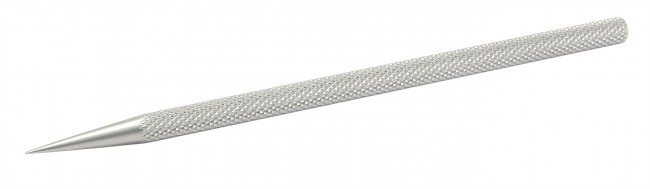
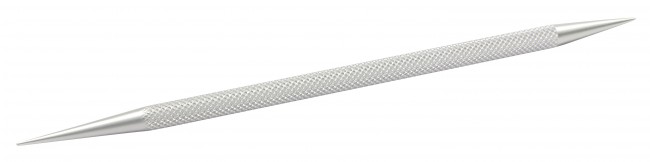
We would like to inform our UK customers of an upcoming packaging update for our single-use sterile punctal dilators. This change applies to the following products:
Due to the small size of these instruments, they will begin to be supplied in boxes of 20 units, alongside the existing boxes of 10 units during a transition period. Both pack sizes will be available while this change is implemented.
Pricing and Order Fulfilment
The price per unit remains unchanged.
A box of 20 punctal dilators is priced at exactly double the cost of a box of 10.
Orders of 20 units or more may be supplied as:
One box of 20, or
A combination of boxes of 10 and 20, depending on stock availability at the time of dispatch.
No Change to Product Quality or Performance
Please be assured that this packaging update does not affect:
Product specification
Quality or performance
Regulatory compliance, labelling, or traceability
Planned Transition to Boxes of 20
We intend to transition fully to boxes of 20 single-use punctal dilators in the future. During the interim period, customers may receive a mix of both pack sizes.
For further information regarding this punctal dilator packaging update, or for assistance with ordering, please contact our customer support team on +44 (0) 161 776 7626 or via email at info@surgitrac.co.uk.
We would like to take this opportunity to thank our customers for their continued support throughout 2025. At Surgitrac, we remain committed to delivering a consistently high standard of service.
We look forward to supporting you again in the new year.
Our Christmas Opening Hours
Office Closing: 2.00pm on Wednesday, 24 December 2025
Emergency Cover: Available on 29, 30 and 31 December 2025, between 10.00am and 2.00pm
Service Cover: Available on 29, 30 and 31 December 2025 Please contact Heetendra Patel on 07785 254572
Office Re-opens: 9.00am on Friday, 2 January 2026
For any urgent enquiries during the Christmas period, please use the emergency or service contact details above. Normal office operations will resume in January 2026.
If you require further information, please do not hesitate to contact our Customer Service team on 0161 776 7626.
We wish you a joyous festive season and look forward to serving you in the new year.
Surgitrac Instruments is proud to continue supporting the Andean Medical Mission (AMM), a dedicated charity working to eliminate avoidable blindness in the Beni region of Bolivia. The results this year have been truly inspiring.
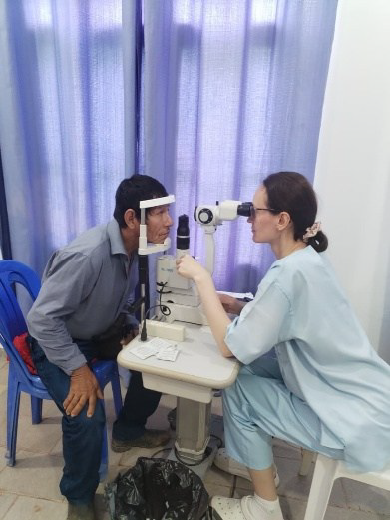
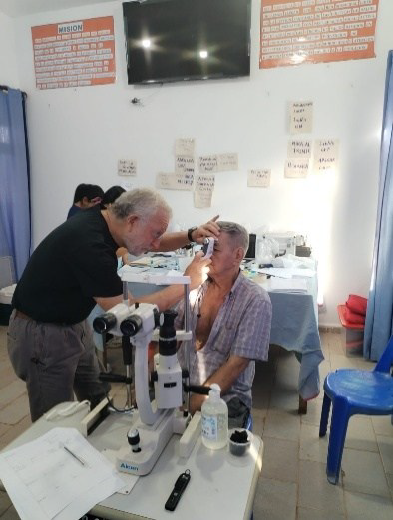
AMM has now carried out nearly 2,000 free eye surgeries, helping restore sight to some of the most underserved communities in South America. In the last 12 months alone, the team completed three major outreach trips to six remote villages, treating hundreds of patients and operating on over 300 individuals suffering from blindness or severe vision impairment.
Life-Changing Work in the Heart of Bolivia
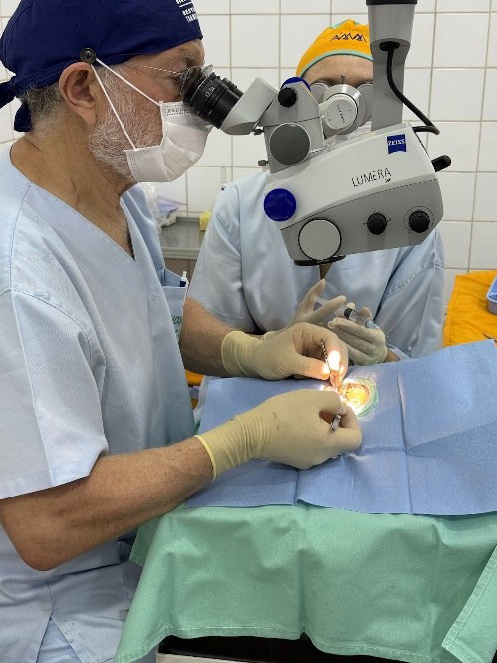
In May 2025, the AMM team travelled to Santa Rosa de Yacuma, in the Beni region. The mission was led by the experienced Jeremy Joseph, now on his fourth trip with AMM, and supported by UK-based consultant ophthalmologists Kasia and Izabella. Bolivian clinic volunteers Melanie and Hasneyth also assisted the team.
They established a fully equipped surgical station with strong support from the local hospital and surrounding communities. The team successfully operated on 104 blind patients and listed many others for an upcoming glaucoma-focused mission later this year. Patients travelled from as far south as San Borja and as far north as Riberalta to receive treatment.
A Warm Return from Former Patients
During the trip, several patients who had undergone surgery in 2017 and 2019 returned for check-ups and to say thank you. The team found them in good health and enjoying an improved quality of life thanks to their restored vision. These visits were a rewarding reminder of the long-term impact of AMM’s work.
Transforming Lives, One Operation at a Time
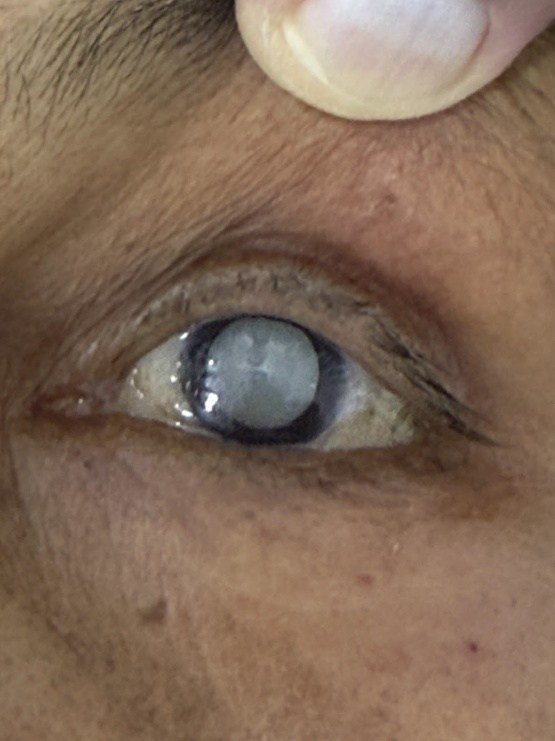
This year, many patients were younger, and those with bilateral blindness experienced life-changing results. One young man, who had been preparing meals by touch alone, regained near-perfect vision after surgery on both eyes. He was delighted and grateful for the outcome.
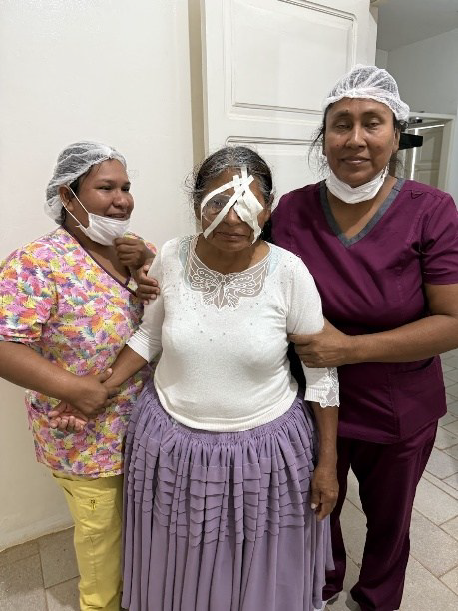
Another remarkable case involved a nurse from San Borja, who had lost most of her sight due to advanced cataracts following corticosteroid treatment for an unrelated condition two years earlier. When asked why she had not sought help, she explained that she had not wanted to take up a surgical slot that could be used for someone else. She had always put the needs of others first.
AMM made sure she received the care she deserved. In May, the team operated on both of her eyes. Before surgery, her vision was limited to hand movement in one eye and counting fingers in the other. She now has near-perfect vision and is once again able to care for others in her role as a nurse.
A Shared Commitment to Eye Care
Surgitrac Instruments is pleased to have provided surgical instruments to support AMM in its mission to restore sight across South America. We remain committed to curing blindness and improving access to essential healthcare.
We look forward to continuing this impactful partnership in the years to come.
Get Involved or Learn More
If you would like to learn more about the Andean Medical Mission or explore ways to support their life-changing work, visit www.andeanmedicalmission.co.uk or follow them on social media.
At Surgitrac, we remain committed to improving access to eye care worldwide. Contact us to find out more about Surgitrac.
Surgitrac Instruments was proud to exhibit at the 43rd Congress of the ESCRS in the beautiful city of Copenhagen. This year’s congress was a fantastic opportunity to connect with ophthalmic professionals from around the world, share ideas, and showcase our precision surgical instruments.
We were delighted to meet with so many clients, partners, and new contacts across the industry. The energy at the 43rd Congress of the ESCRS was inspiring, and Copenhagen provided the perfect setting: professional, welcoming and easy to navigate. As always, the congress proved to be a key event for advancing innovation in ophthalmology.
If you did not have a chance to visit us during the congress but would like to learn more about our instruments or schedule a meeting, please contact us at info@surgitrac.co.uk.
Upcoming Events: See You Soon
We are looking forward to continuing the conversation at more ophthalmology events this year. Here is where you will find us next:
NEOS Autumn Meeting – Join us on 11th November 2025, with topics focusing on oculoplastic and glaucoma and see our range of oculoplastic procedure packs and instruments. Learn more.
UKISCRS 49th Annual Meeting – Taking place 12th–14th November 2025 in London, this meeting is a highlight of the cataract and refractive surgery calendar. Read more.
BEAVRS 2025 – We will be showcasing our vitreoretinal surgical instruments on 27th–28th November 2025. Learn more.
Looking Ahead: ESCRS 2026 in London
We’re also excited to announce that the 44th Congress of the ESCRS will take place from 11th to 15th September 2026 at the ExCeL Exhibition Centre in London, UK. We look forward to welcoming you to our stand once again as we continue to support innovation in ophthalmic surgery.
We look forward to meeting you there. Stay connected by visiting our website or emailing us directly.